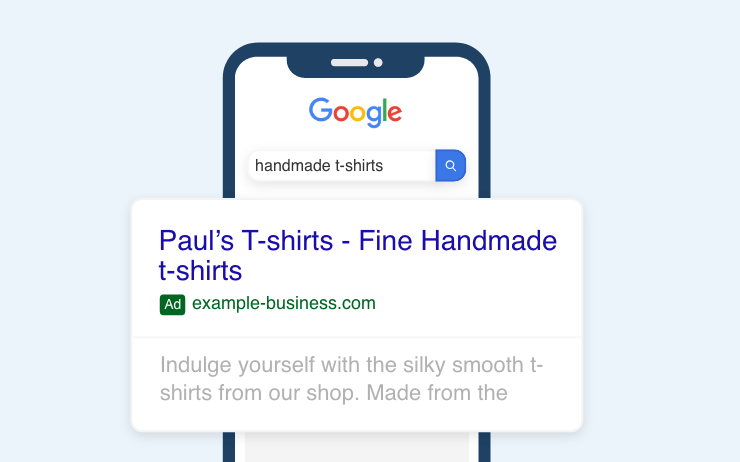
Pay-per-click (PPC) advertising is an effective marketing strategy for dental practices. It is a form of digital advertising where advertisers pay each time a user clicks on one of their ads. PPC allows dental practices to target specific audiences and increase their online visibility, resulting in increased website traffic and new patient inquiries. In this guide, we will discuss the benefits of PPC advertising and provide tips on how to effectively use PPC to market your dental practice.
Define Your Goals
Before starting any PPC campaign, it is important to define your goals. Do you want to increase website traffic, generate more leads, or increase brand awareness? Having a clear understanding of your objectives will help you design an effective PPC strategy. You can use Google Analytics to track the progress of your campaigns and see which keywords and ads are driving the most traffic and conversions.
Choose Your Keywords
Keywords are the foundation of any PPC campaign. You need to choose the right keywords that are relevant to your dental practice and that your target audience is searching for. Use Google's Keyword Planner tool to research keywords and phrases that have high search volume and low competition. Use a mix of broad, exact, and phrase match keywords to ensure that your ads reach the right people.
Write Compelling Ad Copy
Your ad copy should be engaging and informative, while also incorporating your keywords. Make sure your ads stand out and grab the attention of your target audience. Use assets (Google used to call them ad extensions), such as call assets and sitelinks, to provide additional information and increase the chances of users clicking on your ads.
Create a Landing Page
A landing page is a web page that users land on after clicking on one of your ads. It should be designed specifically for your PPC campaign and should have a clear call to action (CTA), such as filling out a form or calling your dental practice. Your landing page should be visually appealing and easy to navigate, with content that is relevant to your ad and keywords.
Set Your Budget
PPC campaigns can be expensive, so it is important to set a budget that you are comfortable with. Start with a small budget and increase it as you see results. Before you launch, Google's Keyword Planner shows rough cost-per-click ranges for your keywords. Once your campaign has been running for a while, the bid and budget simulators in Google Ads estimate what spending more or less would get you.
Monitor and Optimize Your Campaigns
After launching your PPC campaigns, it's important to monitor their performance closely. This involves keeping an eye on your ad spend, click-through rates, conversion rates, and other metrics to see how your campaigns are performing. By doing so, you can identify areas where you may need to adjust your strategy or optimize your ads for better performance.
One important metric to keep an eye on is your Quality Score. This is a 1–10 score Google gives each keyword to show how relevant and useful your ads and landing page are compared with other advertisers. Google calls it a diagnostic tool rather than part of the ad auction itself, but improving the things it measures (expected clicks, ad relevance and landing page experience) can help you pay less and show higher, so it's important to make sure your ads are well-targeted and relevant to your target audience.
Another important factor to consider is ad scheduling. By scheduling your ads to run at certain times of the day or days of the week, you can ensure that your ads are reaching your target audience when they are most likely to be searching for your services. For example, if you're a dental practice that offers emergency services, you may want to schedule your ads to run during evenings and weekends when people may be more likely to need urgent dental care.
Finally, it's important to continually optimize your campaigns for better performance. This can involve testing different ad copy, targeting options, landing pages, and more to see what works best for your practice. By continually refining your campaigns, you can improve your return on investment and get more value from your ad spend.
If you'd like help with this, I set up and manage Google Ads for dental practices, from keywords and ad writing to landing pages and ongoing tweaks. Book a free 15–30 minute call and I'll look at your goals and budget and tell you whether ads make sense for your practice right now.